Thangka Art
Thangka art is a traditional Tibetan Buddhist painting practice that serves as both a sacred art form and a spiritual tool. Created on cotton or silk, thangkas usually depict Buddhas, bodhisattvas, deities, mandalas or important spiritual scenes and are used for meditation, teaching and ritual purposes. Unlike murals they are scroll paintings designed to be rolled up and carried making them highly portable for monks and practitioners.
Each thangka follows a strict system of proportions and grids to ensure harmony and symbolic accuracy with every gesture posture and colour holding deep meaning. Traditionally artists use natural pigments derived from minerals, plants and even gold and the process of painting itself is considered a form of meditation and devotion. Beyond their intricate beauty, thangkas embody profound spiritual symbolism connecting the viewer to Buddhist philosophy and practice.
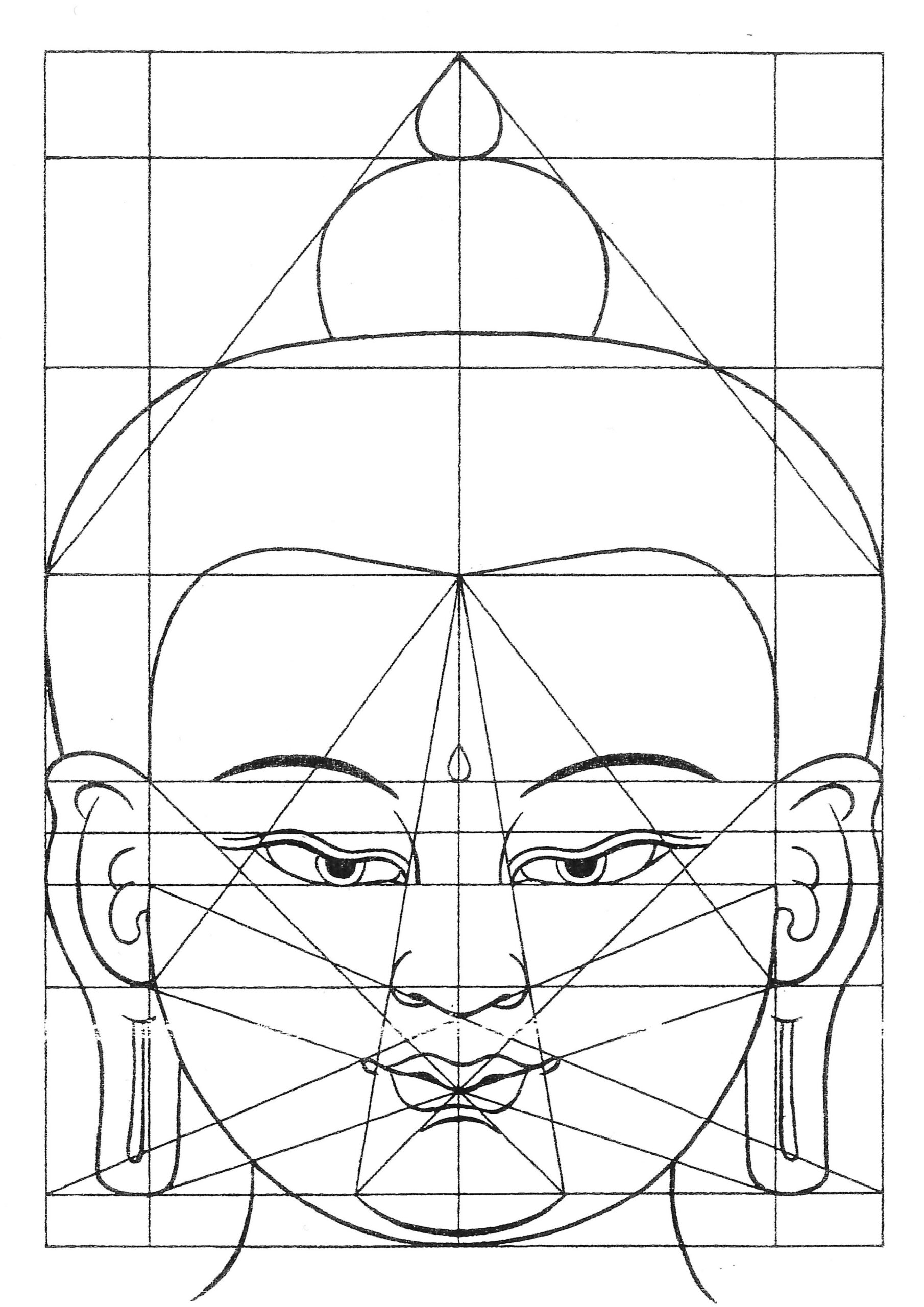
Buddha Face Drawing with Grid:
This class is designed to introduce students to the fundamentals of Thangka art through the practice of drawing the Buddha’s face. In Tibetan Buddhist tradition, the face of the Buddha symbolizes peace, compassion, and enlightenment and it is always drawn using a precise grid system to maintain sacred proportions. Over two days, students will learn both the technical skills and the meditative approach behind this ancient art form.
What you will learn:
- Understand the history and cultural significance of Thangka art.
- Learn the symbolism of the Buddha’s face and its proportions.
- Practice using the traditional grid system for accuracy.
- Develop step-by-step drawing skills for creating the Buddha’s face.
Course Duration & Format:
- 2 Online Classes per Week(via Zoom or Google Meet)
- Small groups or 1:1 available
If Interested, then please contact for Cost of the course
Drawing Materials will be provided once you enrol or registered.
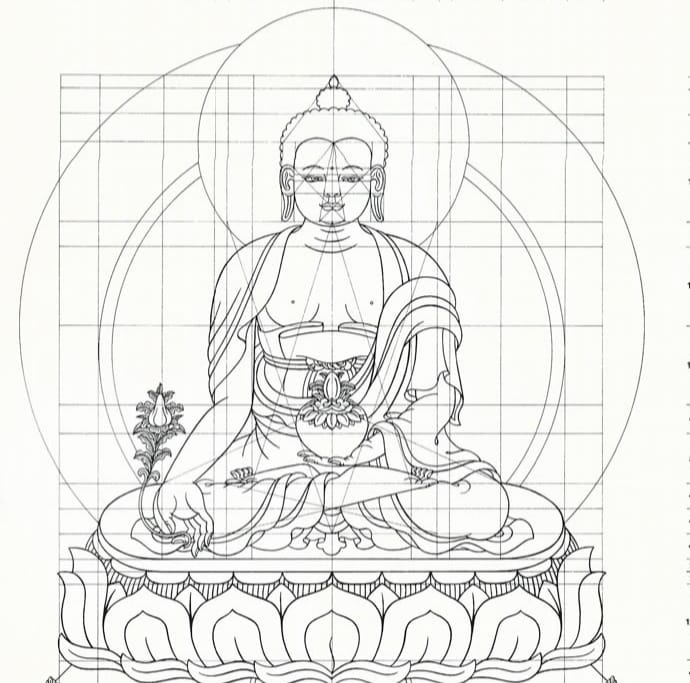
Buddha Sakyamuni Drawing Course
About Buddha Sakyamuni –
In ancient India, the title “Buddha” referred to an enlightened being — one who has awakened from ignorance and transcended suffering.
Siddhartha Gautama, known as Buddha Sakyamuni, lived 547 lives as a Bodhisattva before attaining full enlightenment. His image in sacred art represents inner peace, wisdom and the path to awakening.
What You Will Learn:
Explore the sacred art of Buddha drawing through traditional Thangka techniques, taught step-by-step in a meditative & mindful flow.
- Introduction to Thangka and Buddhist iconography
- Understanding posture, mudras, and symbolism
- Understand the Grid & creating the sacred geometry layout
- Accurate proportions of Buddha’s face and body
- Detailed guidance: face, Body, Mudra & Body with robes
Course Duration & Format:
- 4 Weeks
- 2 Online Classes per Week(via Zoom or Google Meet)
- Small groups or 1:1 available
If Interested, then please contact for Cost of the course
Drawing Materials will be provided once you enrol or registered.
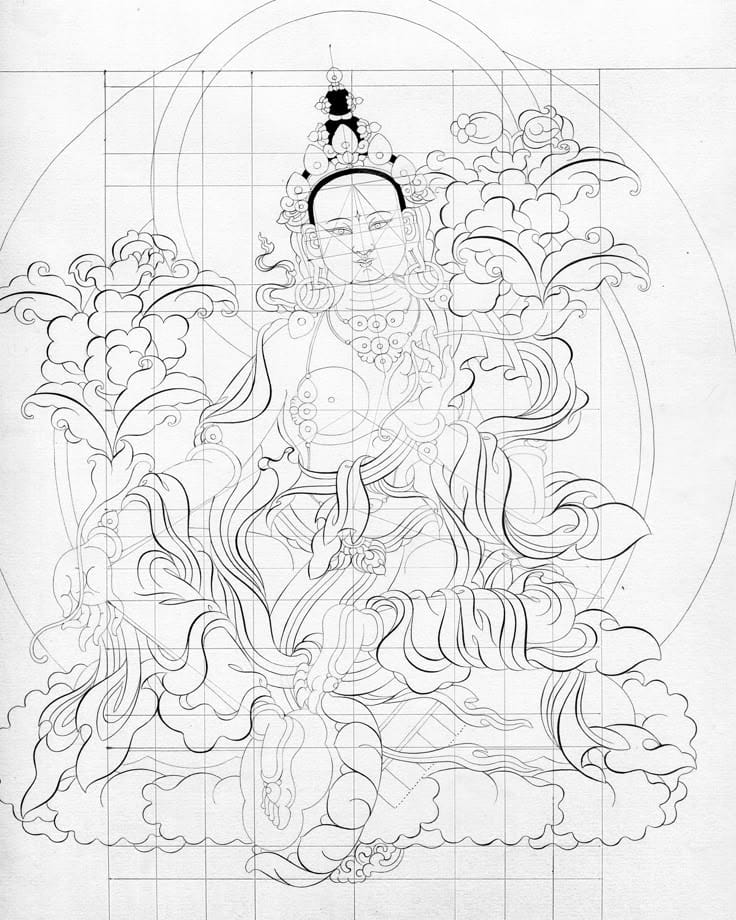
Green Tara Drawing Course
About Green Tara –
Green Tara, known as the “Mother of Liberation,” is a beloved female Bodhisattva in Tibetan Buddhism. She symbolizes compassion in action, offering protection from fear, and swift help in times of need. Her image radiates peace, strength, and grace — making her one of the most meaningful deities to draw and meditate upon.
Inside the Course –
Explore the sacred art of Buddha drawing through traditional Thangka techniques, taught step-by-step in a meditative & mindful flow.
- Introduction to Thangka and Buddhist iconography
- Significance of Green Tara in Tibetan art.
- Understanding posture, mudras, and symbolism
- Understand the Grid & creating the sacred geometry layout
- Accurate proportions of Buddha’s face and body
- Detailed guidance: face, Body, Hand gesture (Mudra) & Body with robes
Course Duration & Format
- 4 Weeks
- 2 Online Classes per Week(via Zoom or Google Meet)
- Live sessions with personal guidance
- Small groups or 1:1 available
If Interested, then please contact for Cost of the course
Drawing Materials will be provided once you enrol or registered.
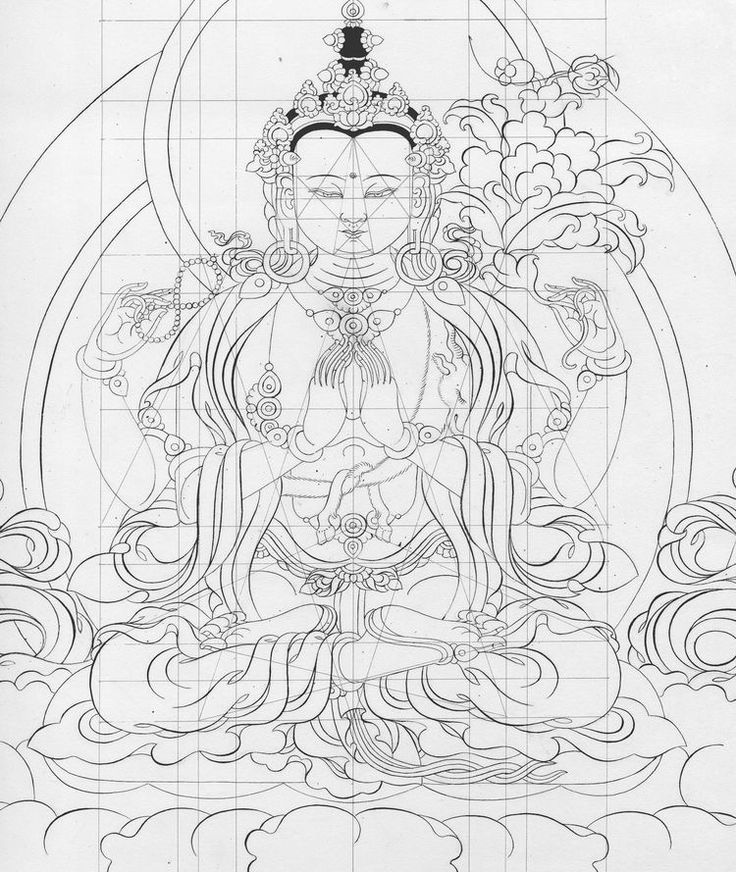
Avalokiteshvara Drawing Course: The Bodhisattva of Infinite Compassion
About Avalokiteshvara –
Avalokiteshvara is the embodiment of boundless compassion in Tibetan Buddhism. Known for his serene expression and multiple arms symbolizing his infinite ability to help all beings, he is deeply revered as a protector, healer, and guide toward inner peace.
Drawing Avalokiteshvara is a deeply meditative process, inviting grace, balance, and devotion into your creative journey.
Inside the Course :
A sacred journey into drawing Avalokiteshvara using traditional Thangka art methods.
Understanding Avalokiteshvara
- Symbolism of posture, multiple arms and attributes
- Heart mantra and spiritual significance
- How to create the Thangka grid
- Accurate drawing of facial features, posture and hands
- Step-by-Step Drawing Guidance
Course Duration & Format
- 4 Weeks
- 2 Live Online Classes per Week(via Zoom or Google Meet)
- Personal guidance in small group or 1:1 available
If Interested, then please contact for Cost of the course
Drawing Materials will be provided once you enrol or registered.
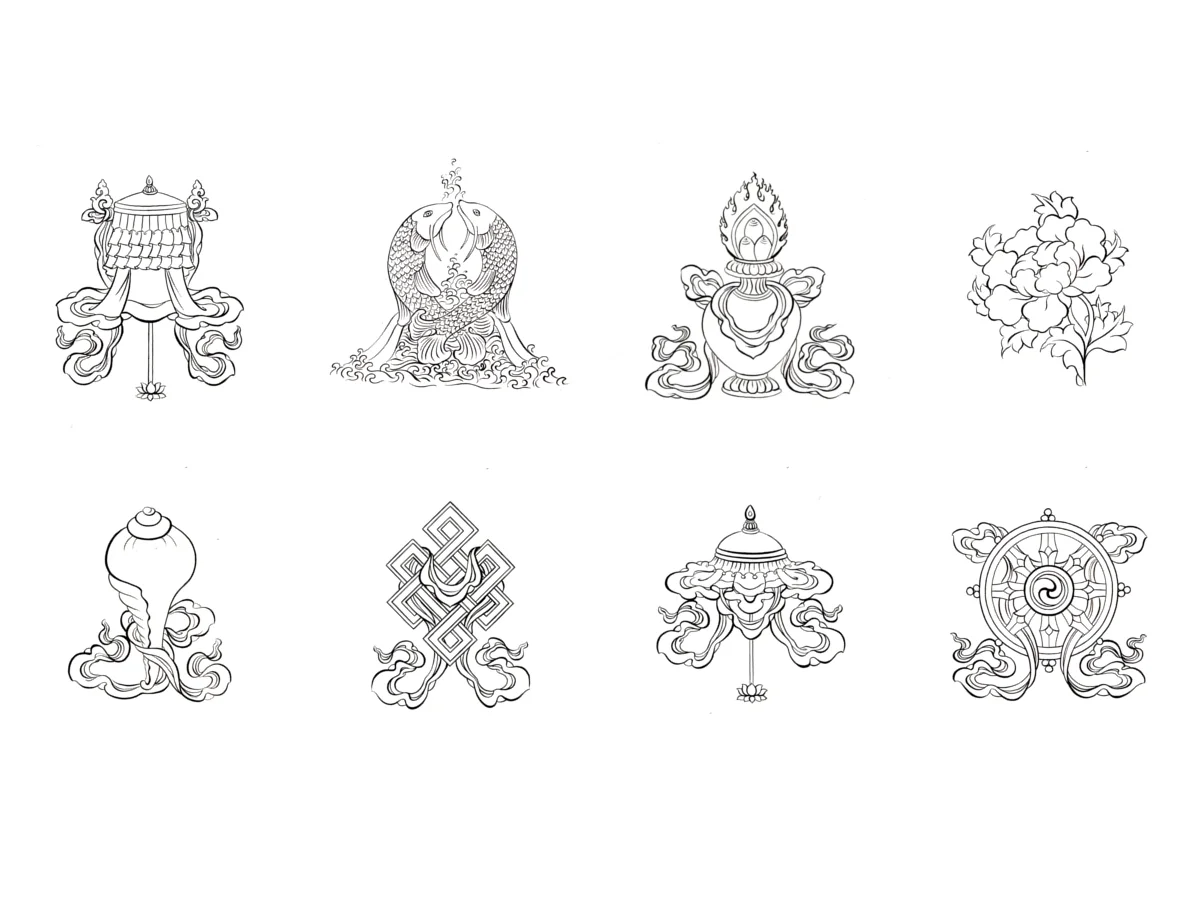
8 Auspicious Symbols in Tibetan Thangka Art -
8 Auspicious Symbols — are integral to Tibetan Buddhist Thangka painting. Each symbol holds deep spiritual meaning and appears in sacred artworks to bring blessings, protection, and harmony.
- Parasol– Protection from spiritual and worldly suffering
- Golden Fish– Liberation and fearless movement
- Treasure Vase– Infinite abundance of teachings
- Lotus Flower– Purity blossoming from the mud
- Conch Shell– Awakening the truth through sound
- Endless Knot– Interconnectedness and eternal harmony
- Victory Banner– Victory over ignorance and negativity
- Dharma Wheel– The path of wisdom and enlightenment
Inside the Course:
- Introduction to Tibetan symbolism in Thangka tradition
- Step-by-step drawing of each symbol with traditional proportions
- Understanding meanings and meditative drawing techniques
Course Duration:
- 8 Weeks
- 2 Online Classes per Week (via Zoom or Google Meet)
- Small groups or 1:1 available
If Interested, then please contact for Cost of the course
Drawing Materials will be provided once you enrol or registered.
Payment Information
- Advance payment requiredto confirm your spot
- Payment accepted via Bank Transferor GPay only
(Details will be shared upon registration)